

Many parents are curious about whether teaching sign language to a pre-verbal baby or toddler is genuinely helpful. The idea gained wider public attention some years ago, and since then, a growing number of families have explored it as a practical communication tool.
What Is Baby Sign Language?
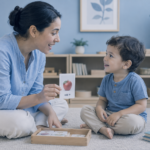
Baby sign language involves teaching simple signs to a child who can understand language but does not yet have the physical ability to speak clearly. Because young children’s motor control develops faster than their speech, they can often use signs to communicate their needs before they are able to verbalise them. This can reduce frustration for both child and parent, and may support a calmer, more connected experience during the pre-verbal months.
Why It May Be Helpful
Children often comprehend far more than they can express. A baby from around eight months may understand a great deal of what is happening around them, but cannot yet respond verbally. Giving them a way to communicate — through pointing, gesturing, or simple signs — can be empowering and reassuring for them.
How to Introduce Signs
The most effective approach is to introduce a small number of frequently used, meaningful signs — such as more, all done, milk, eat, sleep — and use them consistently alongside the spoken word. Key tips include:
- Always say the word out loud while making the sign.
- Use signs at relevant, natural moments — during mealtimes, at bedtime, during play.
- Be patient and consistent — most babies begin signing back between 8 and 14 months.
- Keep it simple and enjoyable; this is communication, not a test.
Does Sign Language Delay Speech?
This is a common concern, but research and anecdotal evidence generally suggest that sign language does not delay spoken language development. Many families find the opposite — that children who sign tend to make the transition to speaking with a good vocabulary base already in place. However, every child is different, and if you have any concerns about your child’s speech or language development, speaking with a speech and language therapist is always a good step.
This post is intended for general informational purposes only; please consult a qualified professional for advice specific to your child’s individual needs.

Thank you for the article.
Tracey,
Do you remember what book you used?
Hi coleen,
If you are in Australia, try:
Baby Sign Language Australia.
Good Luck.
i want to learn how to do sign language
I have a 3.5 yo who has not yet had a tantrum because we taught him a far more effective way to communicate and avoid frustration.His language and eye contact skills are astonishing and I credit the baby sign language for teaching him the power that comes with communication. We got a book from the library, started at eight months, remained consistent and had success at 10 months. It’s wonderful to see him teaching our 1.5 yo daughter and how empowering it is for them both!
This is really one of the best articles about baby sign language that I have read. Thank you for sharing this information. My first exposure to baby sign language was from the “Meet The Fockers†movie and have been very impressed with all that I have learned since then. Thank you!
Jenn
interested in sign language, i work with a special need in my daycare which consist a total of three toddlers in the group, the little boy has speech/ hearing impaired. he is assigned a coordinator at the centre /home. can u help me in learning the signs that are required to communicate with him.{etc. eat,play,bathroom,don’t bite…….
In a Montessori presentation I would suggest not to use sign language as the hand movements may confuse the children during the presentation.
Sign language sounds great! I will definitely use it.
In infant/toddler Montessori classroom, do you suggest directresses to use sign language as well as spoken language in the presentation? Would it be helpful or would it be too confuse for the children?